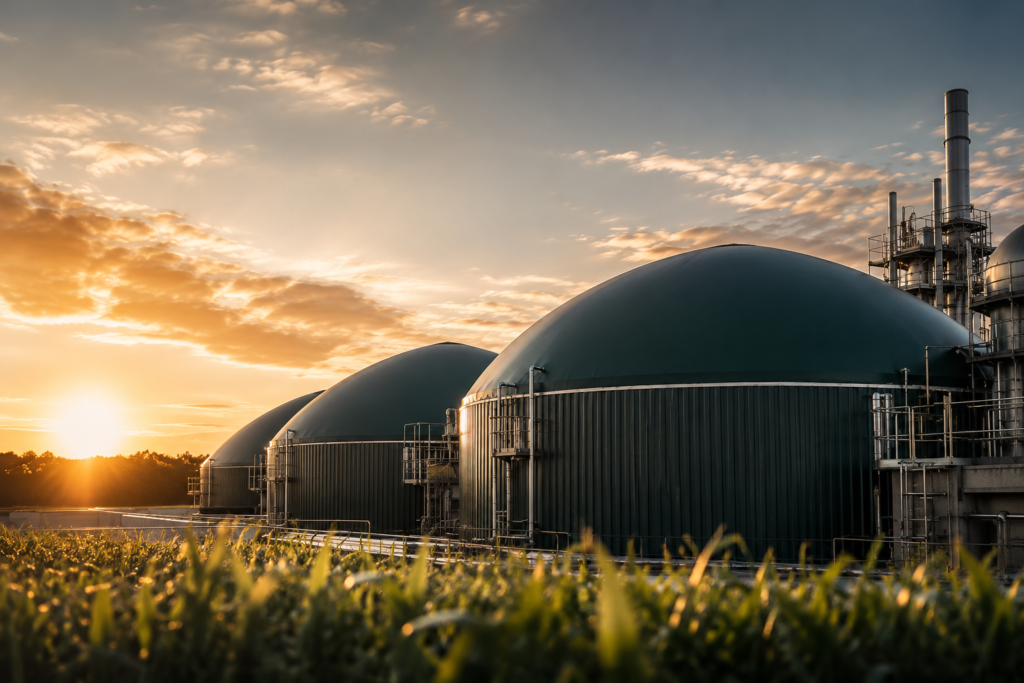
Engineering for biogas membranes begins with the right geometry.
From the first definition of the required gas storage volume to fabrication-ready cutting patterns, ZAPF Engineering provides specialized engineering for textile membrane systems used in biogas plants. Our scope covers form-finding, structural verification, anchorage and supporting structures, as well as the detailed cutting layouts required for fabrication.
Form-Finding: Where the Structure Begins
Every membrane system begins with its geometry. Based on the required gas storage volume, tank dimensions and project-specific requirements, ZAPF Engineering develops the appropriate membrane form and dimensions as the basis for the subsequent engineering process.
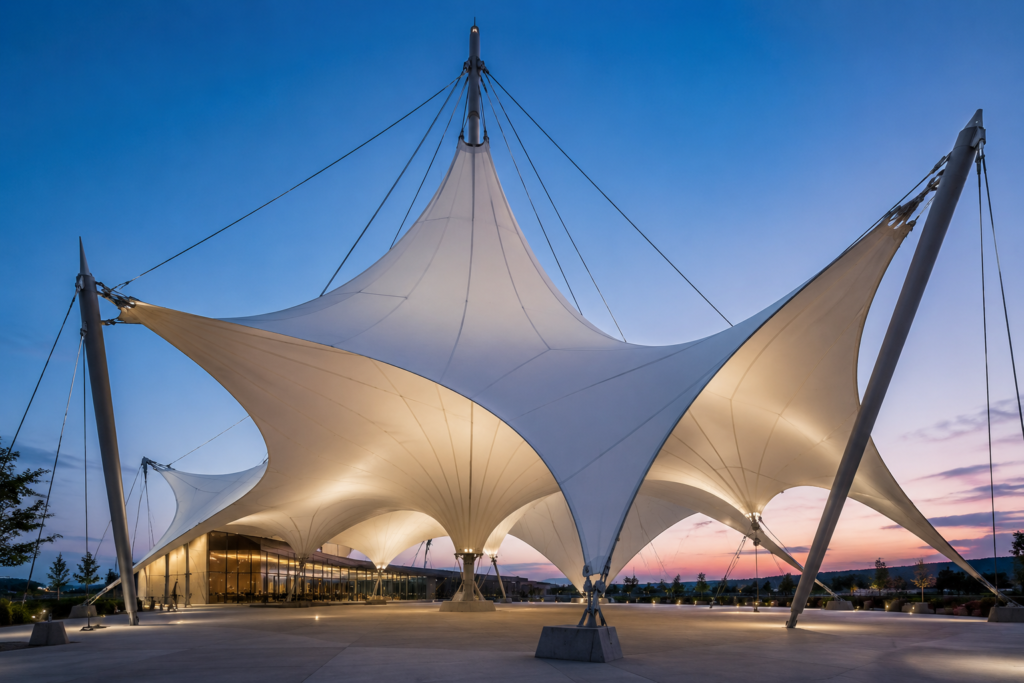
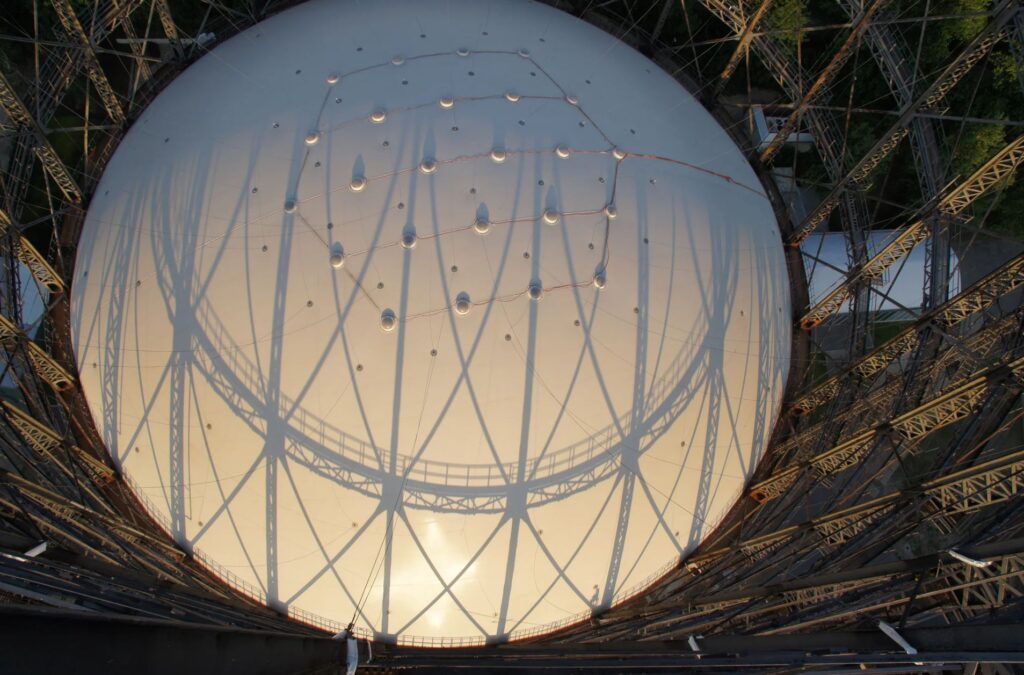
Depending on the application, this may range from classic conical roofs to spherical segments, dome-shaped geometries or large pneumatically supported structures with rectangular footprints. The objective is to develop a geometry that combines the required storage volume with structural performance and practical fabrication.
Structural Verification of the Membrane System
Once the membrane geometry has been defined, ZAPF Engineering can provide the structural verification of the membrane system. The analysis considers the relevant loads and verifies the membrane in accordance with applicable standards, guidelines and project-specific requirements.
The engineering extends beyond the membrane itself. Anchorage forces and connections to the tank are verified together with the relevant supporting components, creating a coordinated structural concept from membrane to support.
Anchorage & Supporting Structures
A membrane system does not end at the membrane edge. ZAPF Engineering verifies how the membrane is anchored to the tank and designs the associated supporting structures and connections.
For gas storage membranes, this can include the supporting belt system that carries the membrane when internal gas pressure decreases, preventing it from descending into the substrate. The engineering can also include the central support, anchorage details and the structural verification of the relevant connections.
By considering membrane, anchorage and supporting structure as one coordinated system, critical interfaces can be resolved before fabrication and installation.
From 3D Geometry to Fabrication-Ready Cutting Patterns
A three-dimensional membrane geometry must ultimately be transformed into a structure that can be manufactured. ZAPF Engineering develops the cutting patterns required to translate the engineered membrane surface into individual fabric panels.
The membrane geometry is flattened into precise cutting layouts that provide the basis for fabrication by the membrane manufacturer. This creates a continuous engineering process from the initial geometry through structural verification to production-ready documentation.
Form-Finding → Structural Verification → Anchorage & Supporting Structures → Cutting Patterns → Fabrication
Engineering Across Different Membrane Geometries
Biogas membrane systems can take many different forms. ZAPF Engineering works with a broad range of geometries — from classic conical roofs and spherical segments to dome-shaped systems and large pneumatically supported gas storage structures with rectangular footprints and capsule-like forms.
The appropriate geometry depends on factors such as the required gas storage volume, tank dimensions and project-specific structural requirements. Through form-finding and preliminary dimensioning, different geometries can be evaluated and developed before proceeding to detailed structural verification and fabrication planning.
Planning a Biogas Membrane System?
Whether your project begins with a required gas storage volume, an existing tank geometry or a new membrane concept, ZAPF Engineering supports the development of textile membrane systems from initial form-finding through structural verification to fabrication-ready cutting patterns.
Our focus is specialized membrane engineering — providing the technical foundation required for reliable fabrication and installation.
Have a membrane concept, geometry or technical challenge? Let’s Engineer it.